Water: Producers of Extra Virgin Olive Oil
The production of extra virgin olive oil in Italy has a long and fascinating history that extends from ancient times to modern production technologies. Olive oil is a fundamental component of the Mediterranean diet and offers numerous nutritional benefits, making it one of the most appreciated foods both in terms of taste and health.
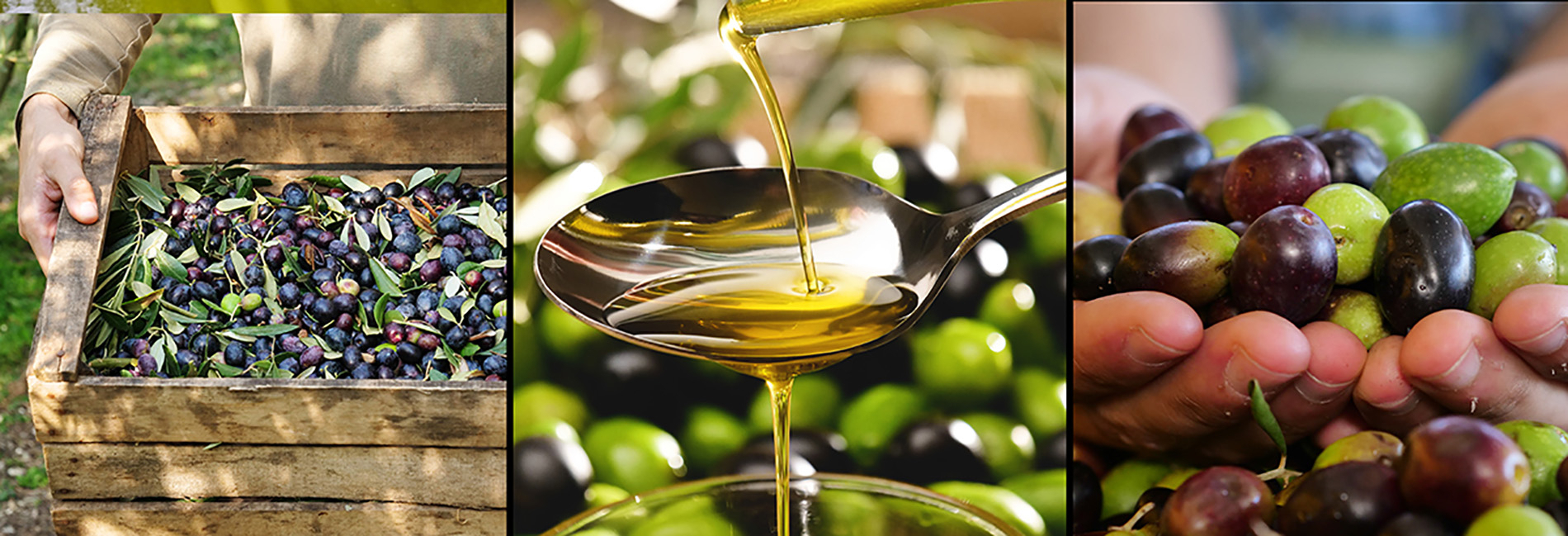
Olive oil production in Italy since ancient times
Olive oil has been used since ancient times, and Italy is one of the cradles of its production. The ancient Greeks and Romans already cultivated olive trees to obtain oil, which was not only used in cooking, but also for cosmetic, therapeutic and religious purposes.
The Etruscans: They were among the first to document the cultivation of olive trees in Italy. The first evidence of olive trees in Italy dates back to the Etruscan period, around the 7th century BC.
The Romans: They were the great perfectors of olive cultivation. Oil was considered a valuable food, and the use of olive oil was an integral part of daily life. The Romans developed more advanced extraction techniques, using animal-powered millstones and presses to obtain oil. Its importance in the Roman economy and culture is documented in many historical texts, such as those of Pliny the Elder.
The Middle Ages and the Renaissance: During the Middle Ages, olive oil continued to be produced, but often in rural and monastic contexts. During the Renaissance, oil became increasingly important to the upper classes, who used it both in cooking and as a therapeutic remedy.
Modern Extra Virgin Olive Oil Production Techniques
Over the centuries, olive oil production technology has undergone a series of improvements that have led to higher quality and a more efficient process. Here is a summary of the main stages of modern production:
1-Harvest: Today, olives are harvested mainly by hand or with the use of machines that shake the branches of the trees. The harvest must take place at the right time, that is, when the olives are ripe but not too ripe, to ensure the quality of the oil.
2-Crushing and milling: Once harvested, the olives are washed and crushed (crushed). Modern crushing is done using steel or stone mills, which allow an olive paste to be obtained, which will then be processed.
3-Extraction: The olive paste is then subjected to an extraction process. Extraction can be done using the traditional method with presses or by centrifugation, which is more common today. Centrifugation separates the oil from the other components of the paste, such as water and pulp.
4-Decantation and conservation: The oil obtained is then decanted to separate any impurities, and stored in stainless steel containers or dark bottles to protect the product from light. Conservation is essential to keep the nutritional and organoleptic characteristics of the oil intact.
5-Technological innovations: Today, modern technologies include the use of automated systems and advanced quality control systems. Cold technology is one of the most used, in which the oil is extracted without the use of heat, to keep the nutritional properties and fresh taste intact.